
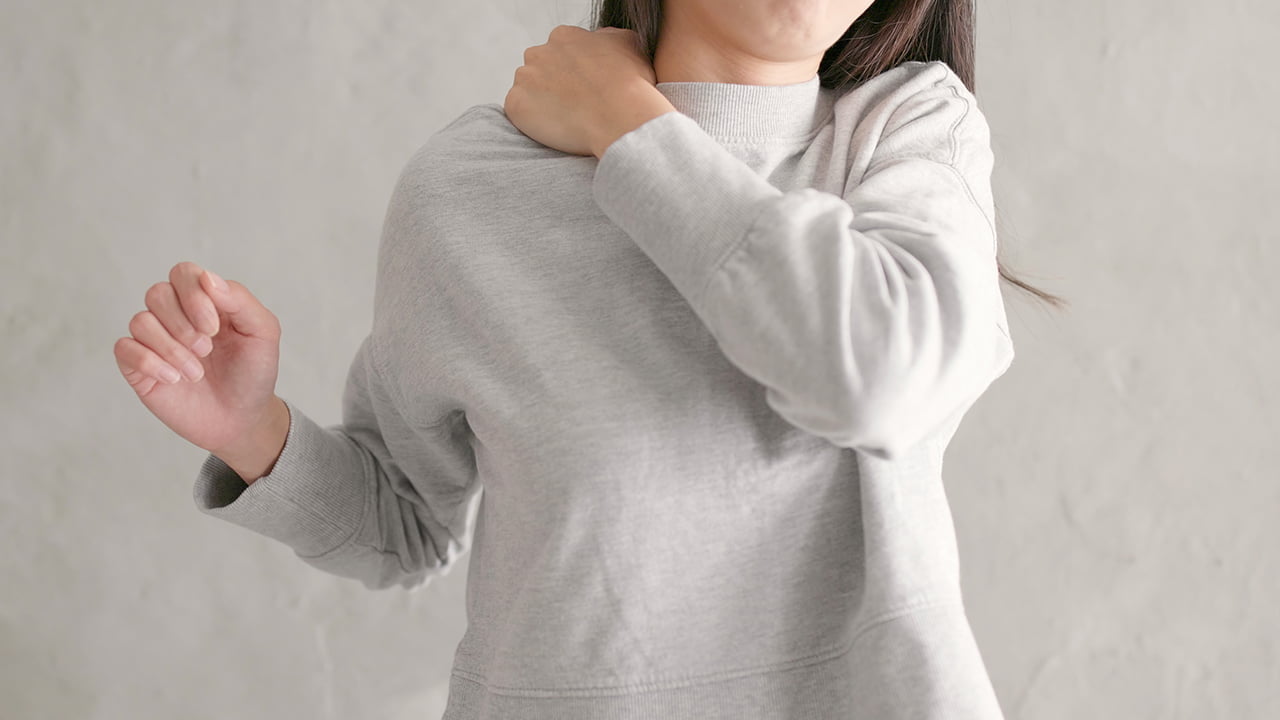
Prolonged or long COVID can involve several symptoms: fatigue, pain in the muscles (myalgia) or joints (arthralgia), difficulty concentrating and remembering, and problems with the senses, such as a disorder of smell (anosmia) or of taste (dysgeusia or ageusia). The pain, stiffness and weakness that accompany the infection can continue even after the virus is no longer detectable in the body.
Prolonged rest after an infection can lead to a loss of muscle mass (sarcopenia, muscle hypotrophy) and weakened heart and lung function (cardiopulmonary deconditioning) – problems that show up as difficulty standing and walking, a shorter walking distance, difficulty walking up and down stairs, a weaker grip (especially when holding heavier objects) and difficulty lifting loads above head height. Besides rest, immune mechanisms and tissue damage also play a part in prolonged recovery. Changes at the macroscopic level are accompanied by changes at the molecular level (in cytokines, neurotransmitters, hormonal responses, immunoglobulins and immunocompetent cells). The cells of the immune response react to the cause of the infection in order to contain and destroy it. Immune system cells also inform our body about the new situation and help it adapt, and the body responds by directing all its resources towards recovery and fighting the aggressor.
The time the body needs to regain its balance is sometimes not as short as we would like, and it depends, among other things, on our condition before the infection, our nutritional status, the medicines we take, our physical and mental performance, and our work and social environment. Our condition before COVID-19 also determines how we will respond to new mechanical or infectious stress. It is important to remember that muscles and bones love movement. That is why it is important to stay active and to make sure we do not cut down our physical activity even further, especially during the pandemic and while epidemiological measures are in place. In addition, a combination of physical medicine, rehabilitation and nutritional support is a way to improve quality of life and recover faster from COVID-19.


