
Ankylosing spondylitis
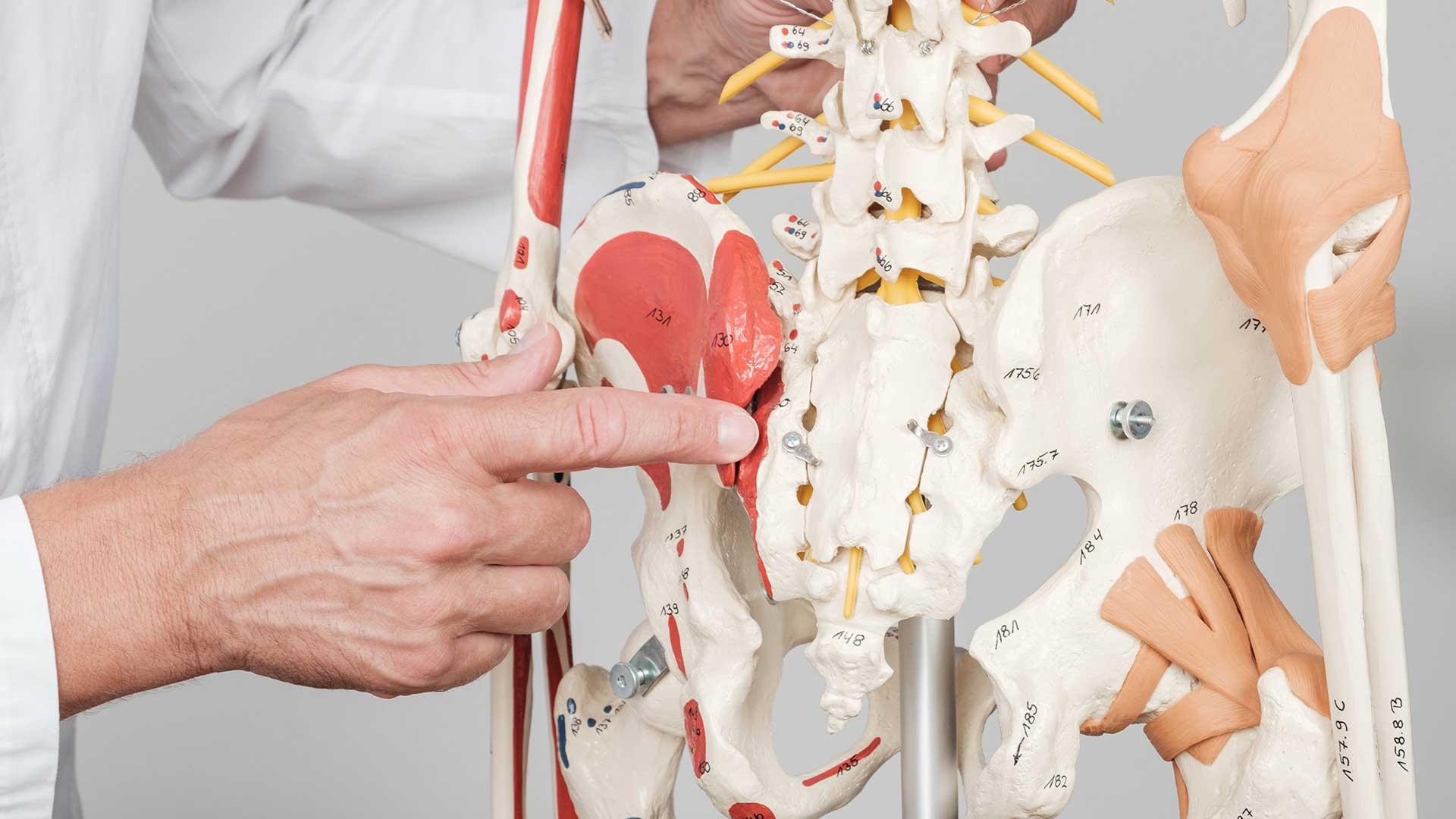
Ankylosing spondylitis, or Bechterew's disease, is an inflammatory rheumatic disease that affects the spine and joints. It is more common in men; it often starts in the sacroiliac joints and gradually spreads to other joints. Seronegativity means that no positive rheumatoid factors are found. The disease is strongly associated with the HLA-B27 antigen, and if it is present the risk of developing the disease rises significantly. Involvement of the sacroiliac joints points to this disease.
Morning stiffness and back pain that wakes you from sleep, without signs of nerve involvement. The response to anti-inflammatory drugs is also a clinical test: a very good response points specifically to ankylosing spondylitis.
Eye and skin examinations and tests for diseases of the bowel and of the respiratory and urinary tracts are essential to assess any possible source as well as the status of the disease. Infectious diseases must also be ruled out, such as chlamydia, mycoplasma, ureaplasma and H. pylori infections, HIV and others.
Disease-modifying drugs (DMARDs) are less effective when the spine is involved; biological medicines have proved very effective and quickly bring about remission. MRI of the spine and sacroiliac joints helps us with diagnosis and with monitoring treatment.
Key features:
– sacroiliitis and enthesitis
– RF negative, ANA negative
– HLA-B27 increases the risk
At Faktor Zdravlje Polyclinic we diagnose, treat and rehabilitate patients with ankylosing spondylitis.


