Systemic disorders in physiatry
Diseases and conditions affecting several organ systems are common in physiatry; such diseases can affect several joints, several muscles and muscle groups. They are usually the result of involvement of the brain and spinal cord – that is, neurological diseases, conditions after a stroke, or traumatic events such as road accidents.
Regional disorders in physiatry
If you have pain in several joints or muscles – for example pain in the whole arm, pain in the leg, or pain spreading from the neck to the shoulder – you have a regional disorder, which can have many causes. Physiatric conditions that, in addition to a local disorder, transmit or refer pain to another area of the body or another organ system are called regional disorders.
Local disorders in physiatry
Some of the most common diseases in medicine are physiatric conditions – diseases of the musculoskeletal system that affect one part of the body. Whether they affect function or cause pain, they significantly disrupt our lives: heel pain, knee pain, pain in a limited part of the spine.


General diagnostics in physiatry
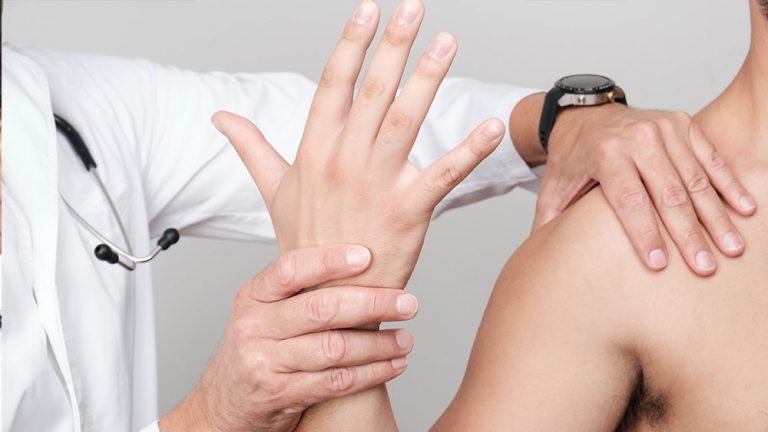
Physiatric diagnostics include complex clinical, laboratory, electrophysiological and imaging tests that reveal the causes of pain and limited function. Early recognition of functional disorders of the musculoskeletal system is essential so that the physiatrist can steer rehabilitation towards the earliest possible recovery.
Trunk diagnostics
The trunk, as the central part of the body, is examined in physiatric diagnostics, especially in diseases and disorders of the spine and in thoracic, abdominal and pelvic pathology. Bony and neurological structures often overlap in their clinical presentations and transmit pain from the internal organs – the heart, lungs, and abdominal and pelvic organs.
Limb diagnostics
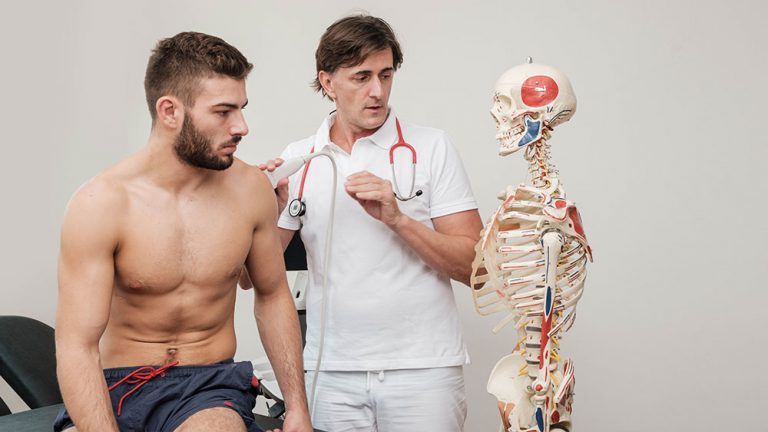
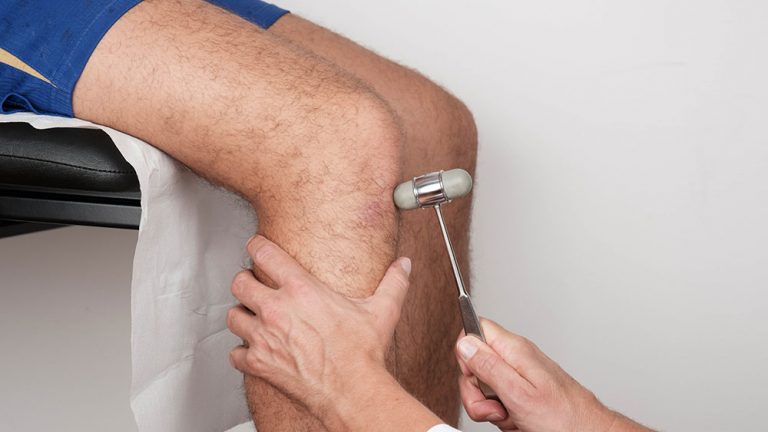
The limbs make movement and complex actions possible and are exposed to traumatic injuries and overuse syndromes, and degenerative and inflammatory changes can also develop over a lifetime. Clinical examinations of the musculoskeletal system are complemented by ultrasound and other necessary diagnostic tests.

Dr Šime Mijić
specialist in physical medicine and rehabilitation, rheumatology subspecialist
Harvard Medical School · Charité Berlin · member of the American College of Rheumatology
Dr Dejan Miščević
specialist in physical medicine and rehabilitation, rheumatology subspecialist
member of the ISPRM (International Society of Physical and Rehabilitation Medicine)
Dr Ivan Novak
specialty trainee in physical medicine and rehabilitation
Harvard Medical School · Leeds · Milan · Vienna · member of the ISPRM