Postoperative rehabilitation

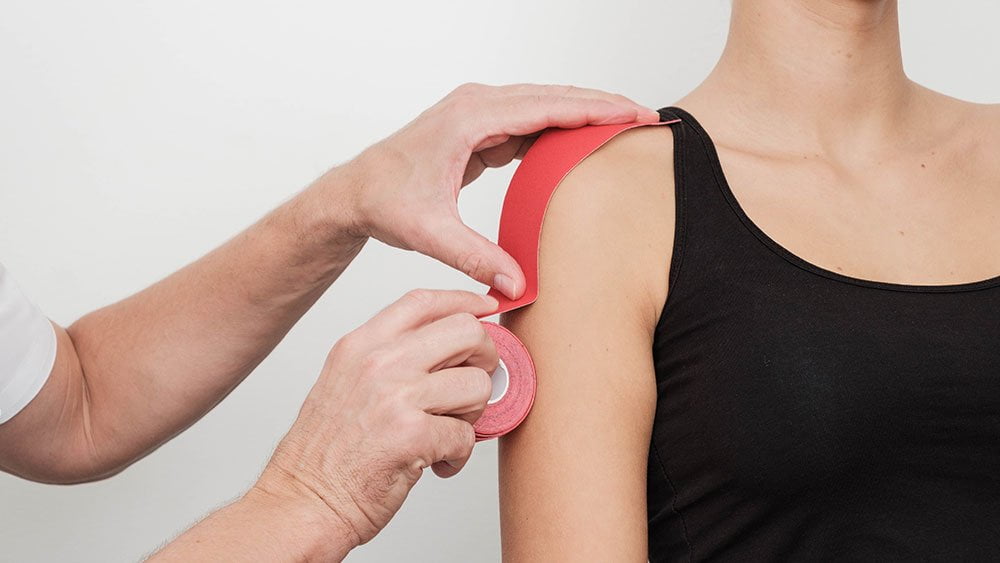
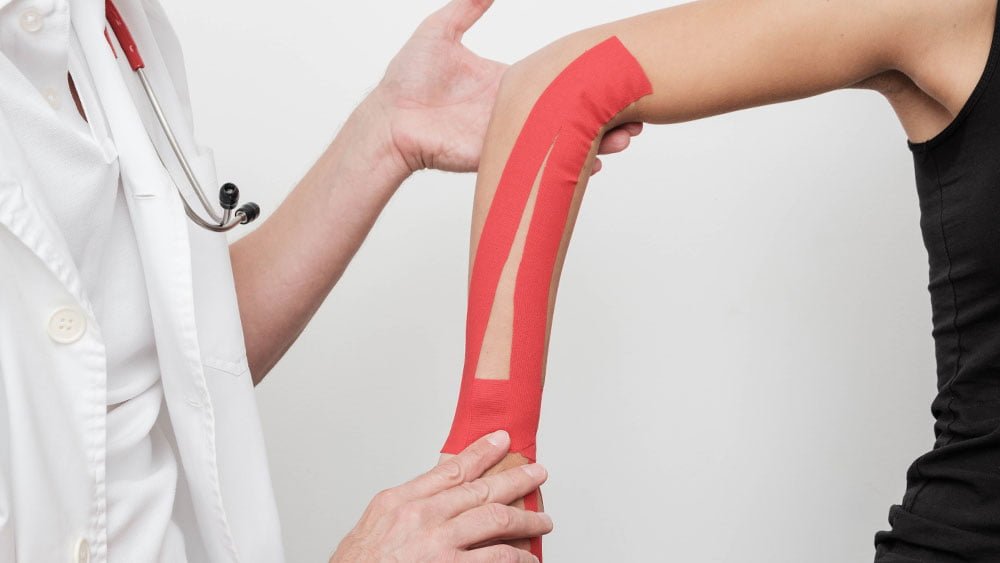
A postoperative rehabilitation programme is strictly individual. Therapeutic exercise should be carried out in line with the physiatrist's and the surgeon's examination; the physical procedures that complement the exercise programme are adapted to the patient's condition and needs (therapeutic ultrasound, laser, lymphatic drainage, magnetotherapy, electroanalgesic procedures (TENS, interferential and diadynamic currents), electrical stimulation, continuous passive motion, shockwave therapy, K-taping/kinesiotaping, cryotherapy). Postoperative rehabilitation includes measures to prevent venous stasis, thrombophlebitis, deep vein thrombosis, pulmonary embolism, pneumonia, infection of the wound and surrounding tissues, urinary retention, pressure sores and pressure-related skin changes. It also involves improving lung ventilation, regular monitoring and follow-up of organ functions, and stimulating peristalsis. Rheumatology patients who take medicines sometimes have to reduce the dose or stop their drug treatment. Medicine use and drug interactions must be monitored closely. It is important to keep track of all comorbidities so that recovery can be speeded up in cooperation with the other doctors involved in pre- and postoperative treatment. Outpatient or inpatient physiotherapy continues the initial exercises begun in the intensive care unit and starts immediately after transfer from the acute wards. Postoperative rehabilitation is intensified once drains and catheters are removed and stitches are taken out. A specialist in physical medicine and rehabilitation will coordinate your recovery.

Domobranska 25, Zagreb

Pošaljite upit

Send an enquiry

info@faktorzdravlje.com

Dogovorite termin

Book an appointment

01 3737 333

Poliklinika Faktor Zdravlje
Book an appointment
Hrvatski
Hrvatski