
Hip
The hip joint and the hip region form a complex anatomical and functional structure. Symptoms can be referred to the lower back, the sacroiliac joint, the groin, the thigh and the knee. A detailed medical examination and careful diagnostics are needed. The articular surfaces that form the joint require stability and mobility, while muscle, bone, nerve and cartilage structures can be affected by various diseases and injuries.
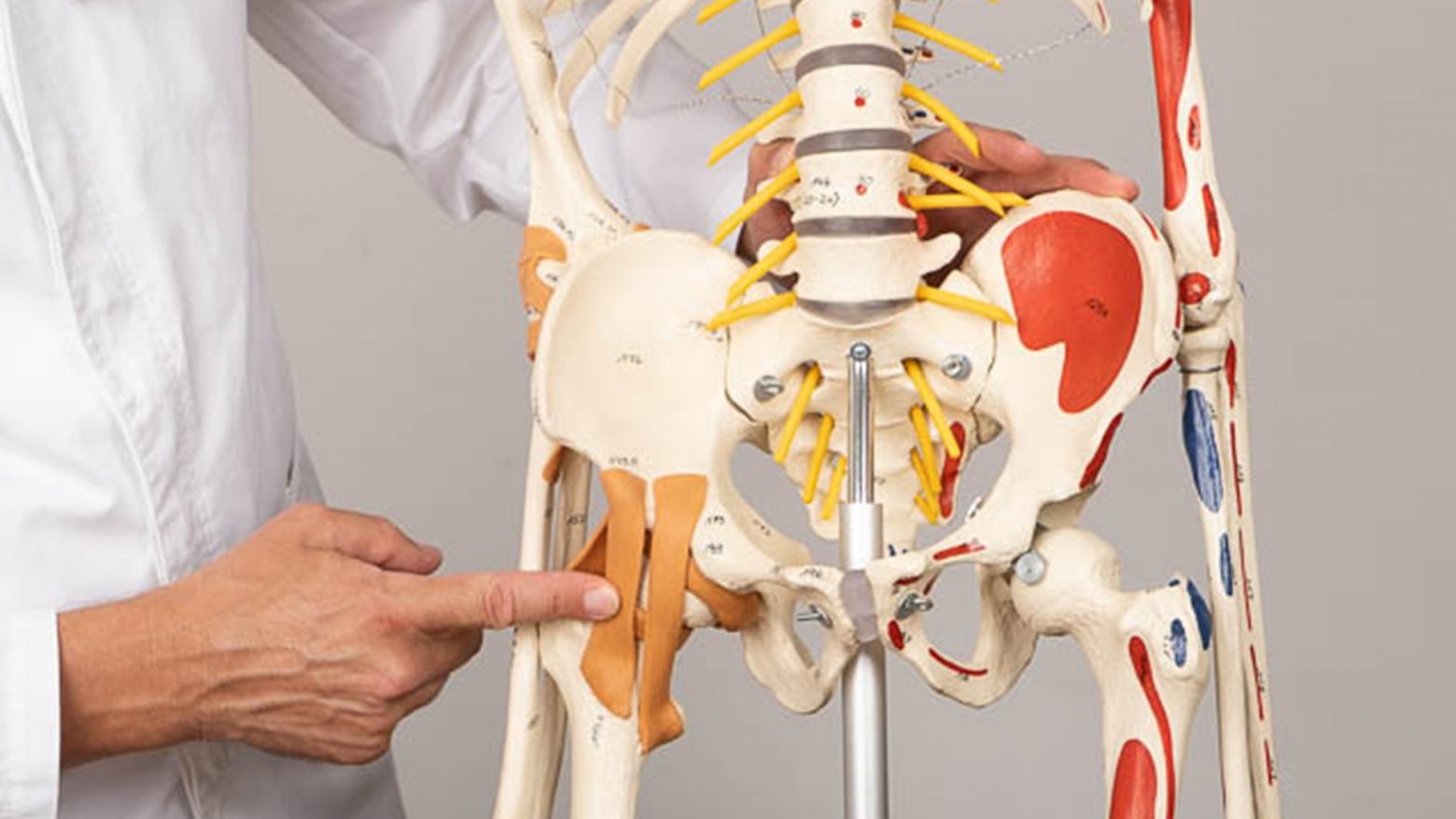
The nerve supply of the hip can also be the reason why symptoms from this region are felt in distant areas. The hip joint is the junction between the pelvis on one side – formed by three bones (the pubis, ilium and ischium), which together form the acetabulum – and the head of the thigh bone (femur) on the other. Typical hip pain is felt deep in the groin, with weakness when weight is put on the affected side. Some diseases are more common at certain ages: children have developmental and congenital hip disorders, while in adults injuries and degenerative and inflammatory diseases are common, and tumours and metastases in this area are not rare either.
In adults, the biggest problem is hip osteoarthritis, which used to be called arthrosis and is currently one of the most common reasons for joint replacement (an artificial joint). Car accidents and sports injuries are the most common cause of traumatic conditions, while minor injuries cause conditions such as FAI, i.e. femoroacetabular impingement – a syndrome of impingement between the acetabulum and the head of the femur. Muscle structures such as the hip adductors and abdominal muscles, as well as the piriformis muscle and the inguinal ligament, can cause pain in overuse syndromes. On the outer side of the hip joint, symptoms are caused by various bursae in the trochanteric area and by the tendons and tracts that pass through this area, such as the iliotibial tract.
Developmental hip disorders can lead to dysplasia, subluxation or dislocation; disorders of the growth centres in the hip cause Legg–Calvé–Perthes disease, while transient synovitis of the hip develops after a viral infection or spontaneously.
The hip is also affected by inflammatory bone and joint diseases such as rheumatoid arthritis, ankylosing spondylitis and systemic lupus erythematosus. Spontaneous bone infarction (AVN – avascular necrosis) is not a rare disease and is increasingly recognised as a cause of secondary osteoarthritis. AVN occurs with alcoholism or corticosteroid use, but also because of other diseases and conditions, and spontaneously. In older people osteoporosis and poor mineralisation of the skeleton cause fractures of the femur, which require serious and complex treatment.


