
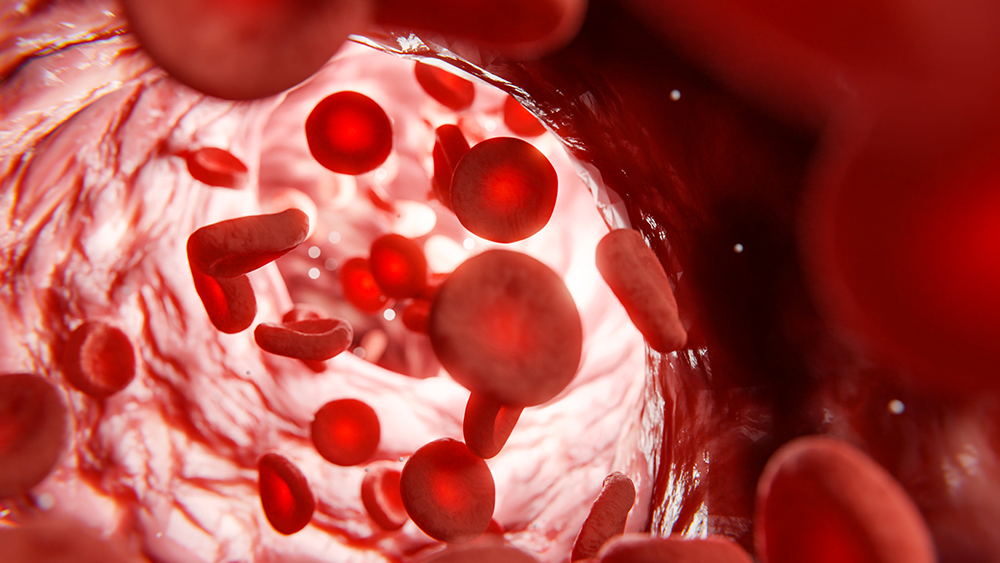
Haematology
Haematology is the branch of internal medicine concerned with diagnosing and treating benign and malignant diseases of the blood-forming system, as well as clotting disorders. Advanced therapies such as targeted (‘smart’) drugs and haematopoietic stem cell transplantation are also used to treat haematological diseases.
We suspect a disease of the blood-forming system on the basis of symptoms, which are often non-specific, or of an incidental finding on a full blood count done, for example, during a routine check-up, a general health check or a preoperative examination.
Many haematological diseases are malignant, but not all of them are, and early recognition and treatment are essential.
Diseases of the blood-forming and clotting systems:
- Leukaemias
- Lymphomas
- Anaemias
- Myelodysplastic syndrome
- Multiple myeloma
- Idiopathic thrombocytopenic purpura
- Haemoglobinopathies
- Haemophilias
- Thrombophilias
Symptoms and signs of haematological diseases
The symptoms and signs of haematological diseases vary and are often non-specific. They may include fatigue, pallor, bruising and small bleeds into the skin, enlarged lymph nodes or an enlarged spleen, and recurrent infections. However, patients may also be referred to a haematologist because of abnormal laboratory results, most often a full blood count and a coagulation screen – a test of blood clotting.
- Persistent fatigue that affects everyday activities and cannot be relieved by rest or by drinking coffee.
- Unintentional weight loss, possibly with loss of appetite or a feeling of fullness after eating only a little.
- Bruising or bleeding due to a low level of blood platelets (thrombocytes) or other clotting disorders.
- Pallor or shortness of breath on mild exertion, which can have several causes. They may be the result of anaemia, but shortness of breath can also occur because of enlarged lymph nodes in the chest.
- Abdominal pain and a feeling of fullness after eating only a little, which can occur because an enlarged spleen presses on the surrounding organs.
- Enlarged lymph nodes that are not painful when pressed and do not go down even if antibiotics are taken.
- A slightly raised temperature and/or heavy night sweats.
Full blood count
A full blood count is a laboratory test that measures the three lines of blood cells – red blood cells (erythrocytes), white blood cells (leukocytes) and blood platelets (thrombocytes). It can point to many conditions, such as anaemia, infections and bone marrow diseases (e.g. leukaemias). The blood count can be altered as a result of bone marrow disease, but very often the changes are caused by diseases of other organ systems. The full blood count is the starting point in diagnosing diseases of the blood-forming system, but the results of further tests must also be taken into account to reach a definitive diagnosis.
- Erythrocytes, haemoglobin and haematocrit
The values of these three blood count parameters are related because they all concern the red blood cells – their number, their size and the haemoglobin content of each cell. Low values indicate anaemia, which can result from various conditions such as iron or vitamin deficiency, blood loss or other diseases. Raised red blood cell values are called polycythaemia and can be caused by bone marrow diseases or by heart and lung diseases. - Leukocytes
Low leukocyte values are called leukopenia, which can occur as a result of bone marrow diseases, but also of autoimmune diseases, or as a side effect of some medicines. Leukocytosis is a condition in which leukocyte values are raised; it is most often the result of infection. However, raised leukocyte levels can also be caused by intense physical exertion, smoking and some medicines. Finally, leukocytosis can be caused by bone marrow diseases such as leukaemias. - Thrombocytes
A thrombocyte (platelet) count below normal is called thrombocytopenia, and a count above normal thrombocytosis. Both thrombocytopenia and thrombocytosis can occur in bone marrow diseases, but also as part of autoimmune diseases, infections and many other conditions.


