
Breathing exercises
Breathing exercises can be used for prevention as well as treatment. Breathing is a complex exchange of gases between us and our environment. The airway can be compromised along its primary route, from the nose to the lungs. When a doctor observes breathing in health and disease, they can recognise certain pathological patterns in diseases of the respiratory, cardiovascular or another body system, and can also recognise a psychological and emotional component. Deconditioning – reduced physical activity during the winter, and also during this COVID-19 epidemic – significantly affects respiratory function as well, known in medicine and physiology as respiratory volumes and capacities.
Breathing exercises – popularly called breathing school – are essential in a number of diseases, and for healthy people too. Throughout life, breathing is mostly an unconscious function that is taken for granted. Every athlete knows that during training they must pay attention to when they breathe in and out, so as to stay in step with their body's functions and effort. Psychiatry and psychology also use breathing exercises in some of their techniques to reduce fear, anxiety and depression, or to achieve a meditative state, hypnosis and so on. They are also used in patients with chronic obstructive pulmonary disease, pneumonia, atelectasis of the pulmonary alveoli or lung parenchyma, emphysema and other conditions.
Faktor Zdravlje Polyclinic and its specialists in physical and rehabilitation medicine, together with its physiotherapists and kinesiologists, use specific breathing techniques and exercises in various diseases, and also with healthy people, to restore normal breathing dynamics and prevent possible complications and diseases. As an introduction to a number of protocols for spinal diseases we use breathing exercises. Respiratory insufficiency caused by the COVID-19 virus has brought some old techniques and knowledge back into focus. We have many years of experience in the clinical practice of medical rehabilitation across all aspects of physiatric disease – neurological, cardiovascular, rheumatic and lung diseases and, above all, locomotor (musculoskeletal) diseases and disorders. Nor should we overlook post-traumatic sequelae, which can disturb respiratory function. We use our knowledge of these techniques in cooperation with singing schools, where minute breathing movements make a big difference. In the historical eras of tuberculosis, polluted air and hard-to-treat asthma, smoking, asbestosis, silicosis and rheumatoid lung, respiratory exercises (breathing exercises) were sometimes the only treatment. A number of Croatian specialist hospitals still play this role today; lung and phthisiology dispensaries (phthisis is a synonym for tuberculosis, or consumption) played a major historical role, and we can use that knowledge again. Breathing exercises have also enabled generations of healthy people to breathe better and more correctly and to use the capabilities of their respiratory system.
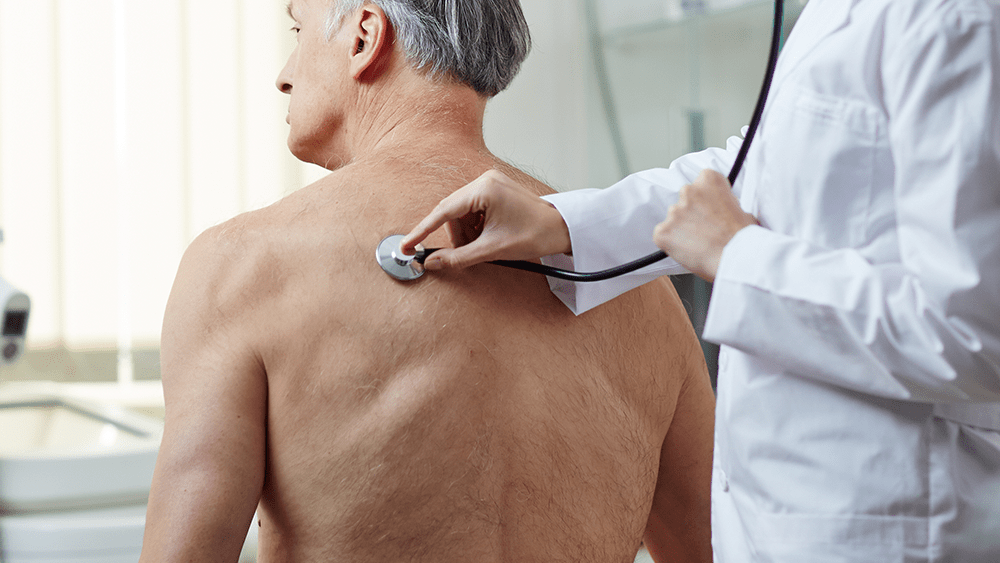
At Faktor Zdravlje Polyclinic we monitor respiratory training (breathing exercises) with a spirometer and a pulse oximeter, so that respiratory function and blood oxygenation are properly checked, and we adjust the exercise modalities accordingly.
Breathing techniques and breathing exercises
Breathing exercises are closely linked to specific techniques; not every technique suits every disease and condition, and not everyone responds to them in the same way. There are breathing techniques with which we restore psychophysical balance. Breathing techniques are specifically designed to correct a deficit in airflow into the lungs or disorders of alveolar-capillary gas diffusion. Such disorders are called obstructive and restrictive ventilatory disorders. A medical examination is needed: on the basis of the clinical examination, the medical history and diagnostic tests, the doctor will decide whether to prescribe respiratory exercises. Such exercises aim to achieve better oxygenation, but they also help prevent pneumonia, reduce the likelihood of an asthma attack, improve lung function in emphysema and COPD (chronic obstructive pulmonary disease), prevent atelectasis and help with many other diseases.
The psychological effect of exercise needs particular attention: from the rhythm and rate of breathing and the way a person breathes out and in, you can also recognise their mental state. Night-time pauses in breathing accompanied by snoring, broken sleep and a feeling of tiredness are a type of obstructive disorder that sometimes leads to the condition known as sleep apnoea, which has a devastating effect on the body.
The two basic ways of breathing are abdominal (belly) and thoracic (chest) breathing. For most of the day we breathe using the main respiratory muscle, the diaphragm. Small excursions of the diaphragm make breathing possible, and about half a litre of air is enough for breathing to work satisfactorily at rest. Any increased need for oxygen changes our respiratory volumes and capacities and the relationships between them. You can turn to Faktor Zdravlje Polyclinic with confidence.
We carry out breathing exercises with a physiotherapist at Faktor Zdravlje Polyclinic in Zagreb.
Appointments: 01 3737 333 · info@faktorzdravlje.com · Domobranska 25, Zagreb


