
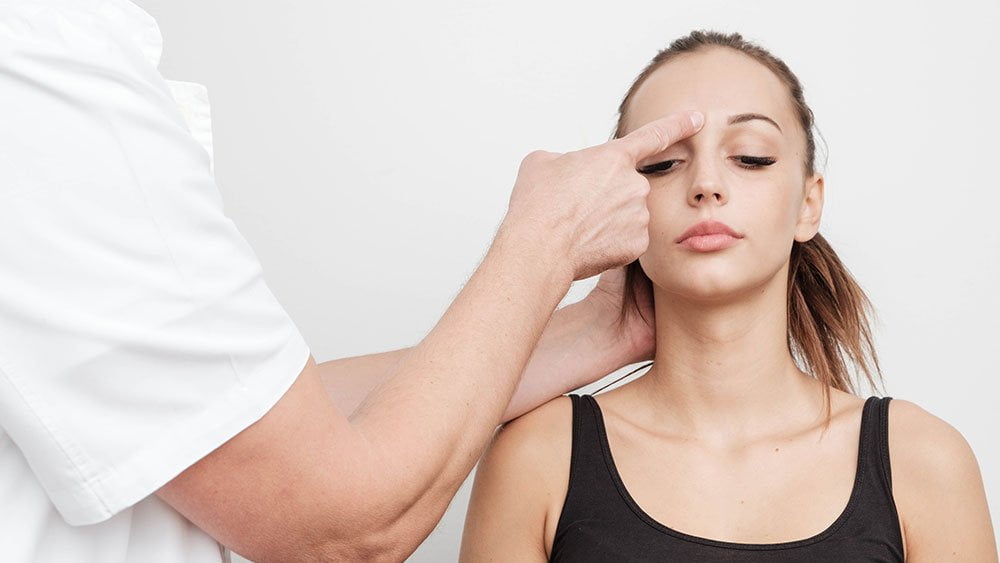
Central nervous system rehabilitation in sport
Brain and spinal cord injuries are common in sport: despite preventive measures, recreational sport – and even more so top-level competitive sport – is becoming a new battlefield. Traumatic head injuries can have serious consequences and require specialist rehabilitation. Grading the severity of the injury as mild, moderate or severe with standardised tools such as the Glasgow Coma Scale (GCS), which is based on assessing the level of consciousness, together with other indicators from the medical history, clinical examination and diagnostic tests, determines how central nervous system injuries are treated and rehabilitated. Examination and follow-up by a doctor are an essential part of good medical care. Taking timely action prevents the primary injury from progressing over the following hours and days, because the initial impact – with impaired blood circulation and metabolism, massive damage to neurons and release of neurotransmitters, oedema of the brain tissue and disrupted homeostasis – leads to damage to highly sensitive brain cells and to cell death.
Ignoring the symptoms a person has at the start can have considerable repercussions later. Rehabilitation of central nervous system injuries requires constant specialist medical supervision by a neurologist and a specialist in physical and rehabilitation medicine and, if needed, a neurosurgeon and other specialists. Monitoring the clinical status and early intervention allow adequate recovery, healing and regeneration after central nervous system injuries. Injuries to the skin, scalp and face are noticed and treated early, as are injuries to the eyes, which matter aesthetically as well as functionally, while injuries to nerve structures have more dangerous and far-reaching repercussions. In terms of rehabilitation and the return to regular daily and sporting activities, concussion and other, even more serious traumatic brain injuries require a graded approach. A graded return to activities aims to allow good control of symptoms and to reduce the likelihood of them becoming chronic.
The first stage consists of activities of daily living that do not provoke symptoms; the second stage is light aerobic activity, such as walking, without resistance training; the third stage is sport-specific exercise that does not involve situations in which the head could be injured; the fourth stage is more intensive non-contact training with progressively increasing exertion; the fifth stage is full contact during training, but under controlled conditions; and the sixth stage is a return to competitive sport without restrictions. Integrated rehabilitation and a functional physiatric evaluation of vestibular dysfunction and visual-perceptual dysfunction are particularly important. Medical complications are always possible, so cooperation is needed from the athlete and from the people around them – especially family, coaches and teammates, as well as the physiotherapists and kinesiologists involved in sports and club activities.
Rehabilitation after traumatic injuries of the central nervous system has a good effect on neuroplasticity and cognitive abilities and slows neurodegenerative processes. Faktor Zdravlje Polyclinic applies an integrated medical approach to rehabilitation after traumatic brain injury. Our specialists in physical medicine and rehabilitation, together with our excellent physiotherapists and kinesiologists, will enable you to make a quick and safe recovery.


