
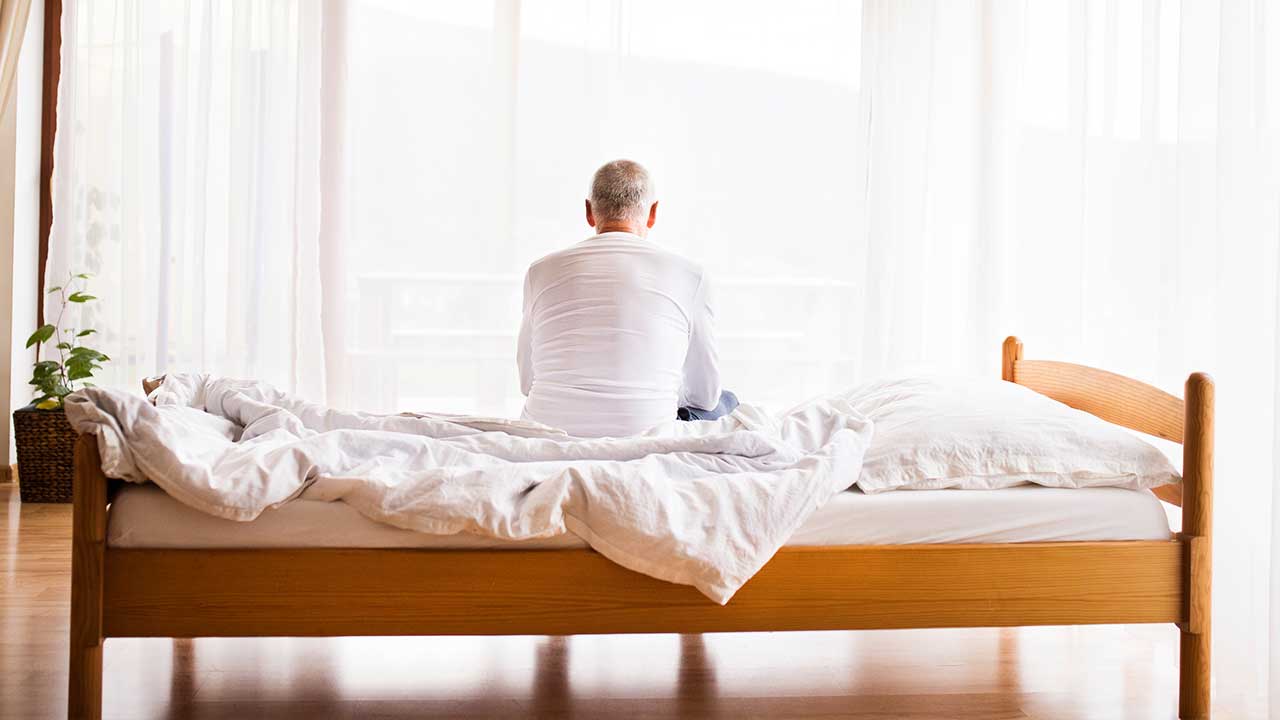
The consequences of not exercising – of prolonged rest or reduced physical activity – have a significant effect on human health. This concerns not only the bones and joints, but also the immune system and the fight against infection. To fight infection, all the body's defence systems need to work well and in harmony.
The skin and mucous membranes must be healthy, clean, well cared for and free of wounds and damage, as far as possible. Clean air and healthy food are another important factor. The immune system responds well to exercise in these circumstances. Exercise should be done at home, and if it does take place outside the flat or house, it would be wise to keep social contact to a minimum. Places outside the home, such as benches and other surfaces that people sit on or touch, should also be considered contaminated. The metabolic system is maintained by regular, proper exercise, and good regulation of fat, protein and carbohydrate metabolism also affects the immune system. Good ventilation of the lungs and the aerobic metabolism of the cardiorespiratory system ensure a good blood supply to the periphery and the availability of freshly oxygenated blood. Our psychological attitude to health and illness should be realistically positive and affirmative, so that anxiety and depression, which also lead to not exercising, do not develop. The nervous system is an integral part of the immune system, because the hormones secreted by the brain affect the endocrine system and allow all organs and organ systems to work in harmony.
A regular, adequate diet full of fresh food is also very important. In the current circumstances, it is recommended to stay as active as possible, even at home. Walk, air the rooms you spend time in regularly, and do functional exercises to improve stability, proprioception and muscle strength, such as different variations of holds, squats, press-ups, back extensions and lunges. Older people are advised not to spend most of their time sitting, but to change position often: to stretch, walk on their toes and heels, practise tandem walking, do a little cycling if they have an exercise bike, and do a short workout with or without improvised equipment. You can also find ideas for putting together a short training programme on the Polyclinic's official website.


