At Faktor Zdravlje Polyclinic in Zagreb, physiotherapy and rehabilitation are led by a specialist in physical and rehabilitation medicine and their team. The doctor makes the diagnosis, sets the treatment plan and follows your recovery from the first examination to the end of therapy.
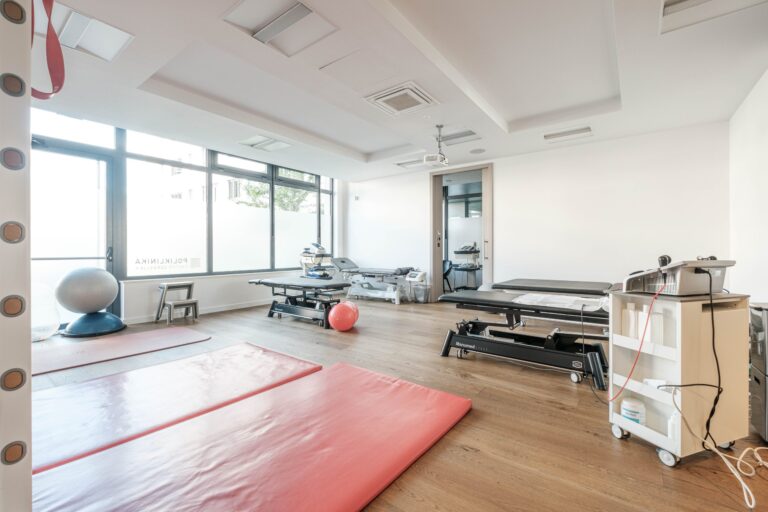
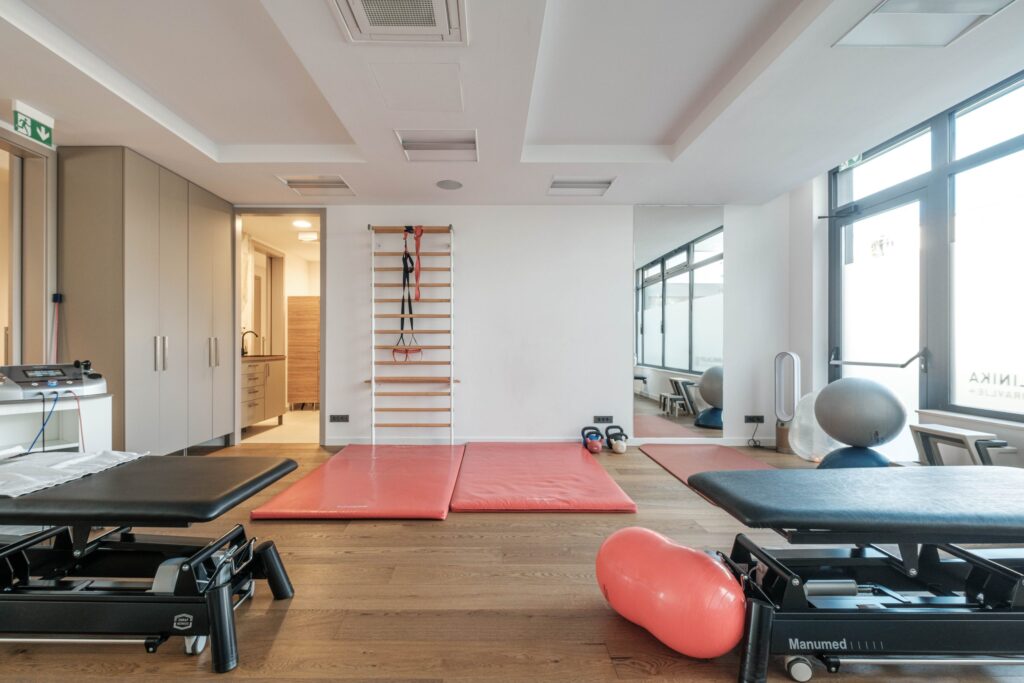
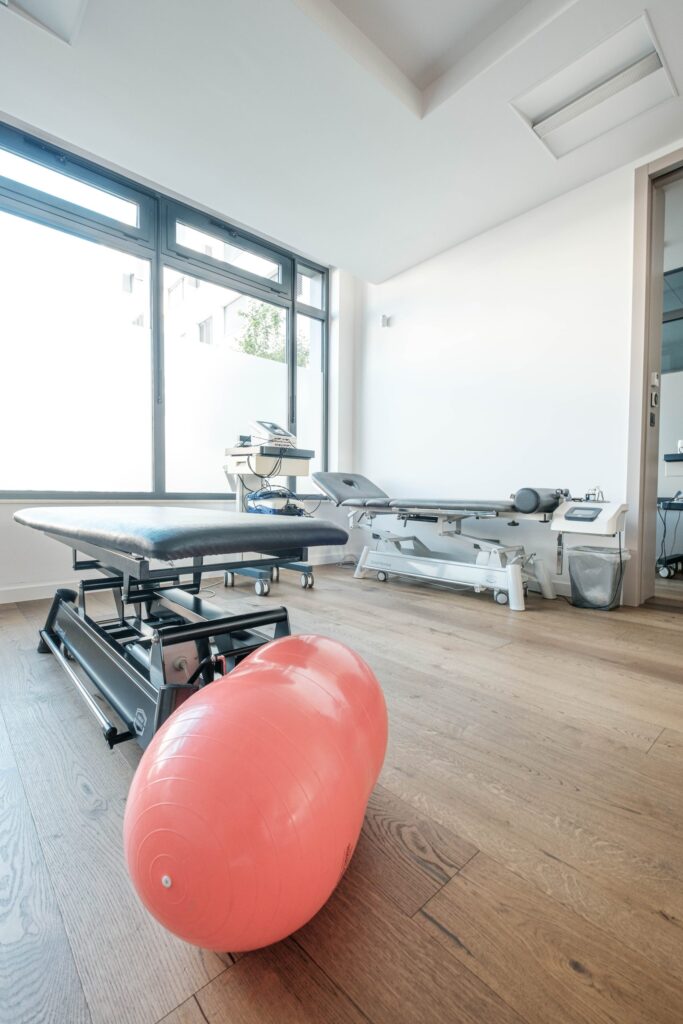
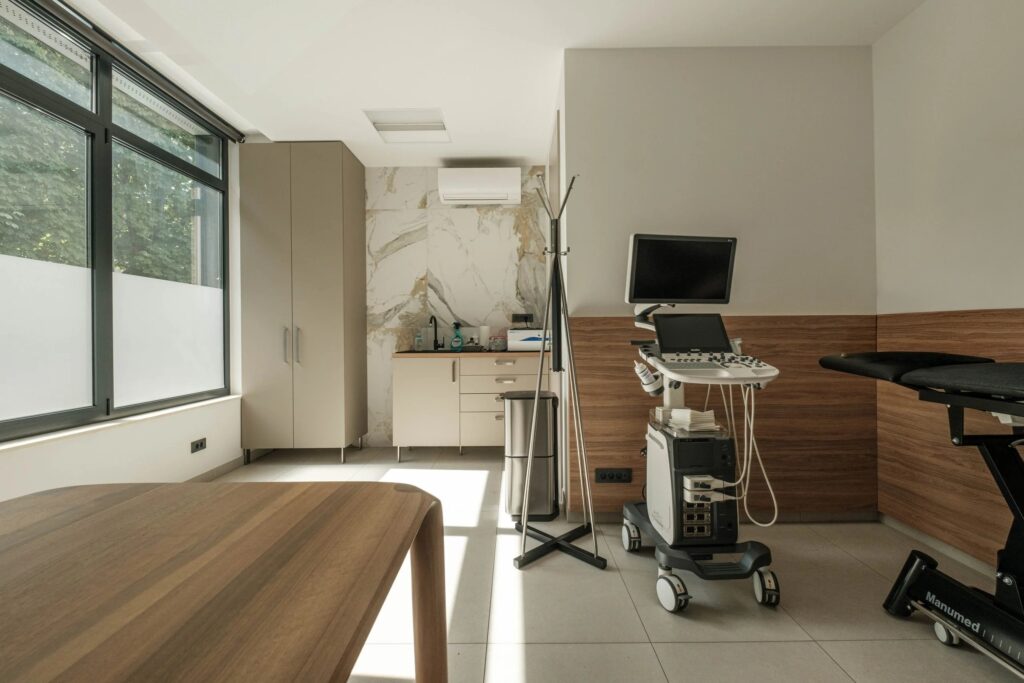
Physiotherapy gymGym: treatment tables and exercise areaTreatment tablesMats and wall bars for exerciseConsulting room with ultrasoundReception and waiting room
1 / 6
Why choose us
The doctor is involved in every part of treatment: examination, diagnostics and therapy. After the examination, the doctor prescribes therapies, which are delivered as integrated medical procedures. Throughout treatment, the doctor follows your progress and adjusts the plan as needed – exercise therapy, physiotherapy modalities and medicines – and orders additional tests, so that treatment is as successful as possible.
Examination and therapy in one place
The physiatrist, ultrasound and all therapies are in the same polyclinic.
Ultrasound right at your first examination
When needed, the doctor examines joints, muscles and tendons with ultrasound straight away.
Medicines when needed
The doctor can prescribe painkillers and medicines for infections, blood pressure, heart and neurological conditions, as well as anticoagulants – everything needed to keep your treatment safe.
Exercise is the foundation
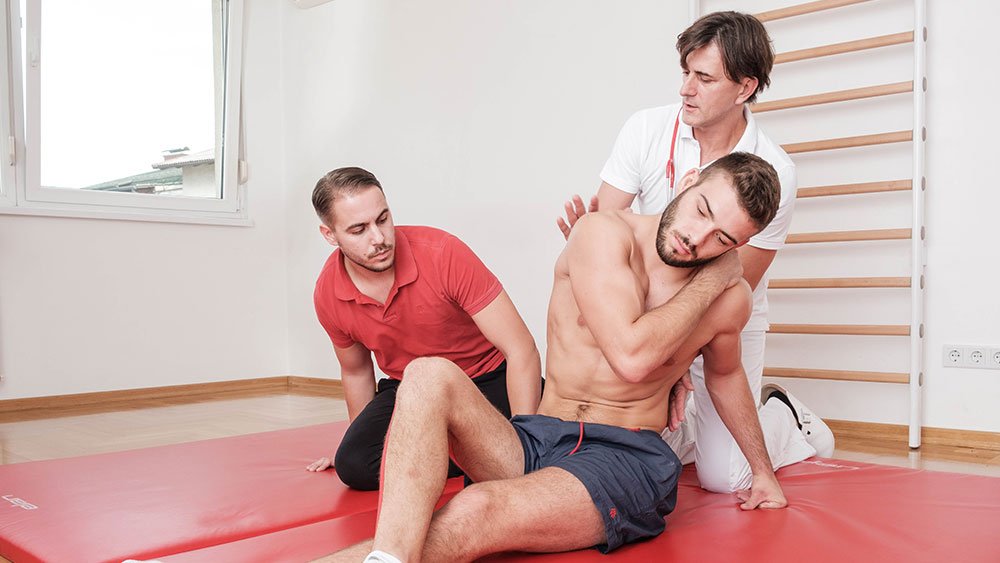
Alongside physiotherapy modalities, our physiotherapists – and, when needed, kinesiologists – exercise with you one to one.
Several specialties under one roof
Our specialist physiatrists are also rheumatologists, and a cardiologist, a haematologist and a psychiatrist also work at the polyclinic. Doctors from other specialties are brought in when needed.
Cooperation with hospitals
If you need tests that are not done at the polyclinic, the doctor will refer you to the right place. We work with public and private hospitals.
What is physiotherapy
Physiotherapy uses exercise (that is, movement), physiotherapy modalities and natural healing factors. The aim is to reduce pain, restore mobility and strength, and speed up recovery after illness, injury or surgery.
Physiotherapy is an integral part of physical medicine and rehabilitation, the medical specialty practised by physiatrists. Although physiatry is most often associated with bone and joint diseases, physiotherapy is present in almost every branch of medicine, for example cardiology, pulmonology, neurology and rheumatology.
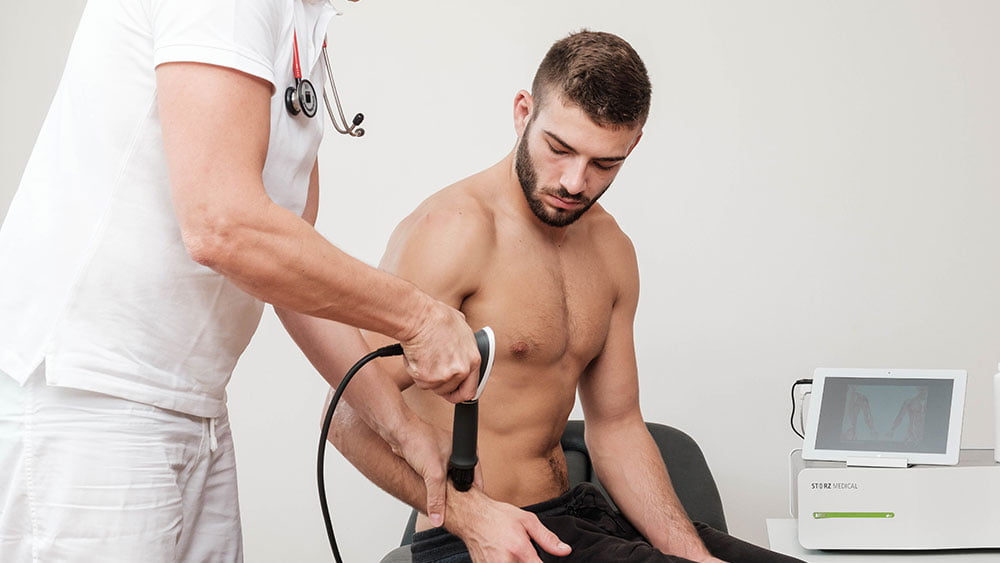
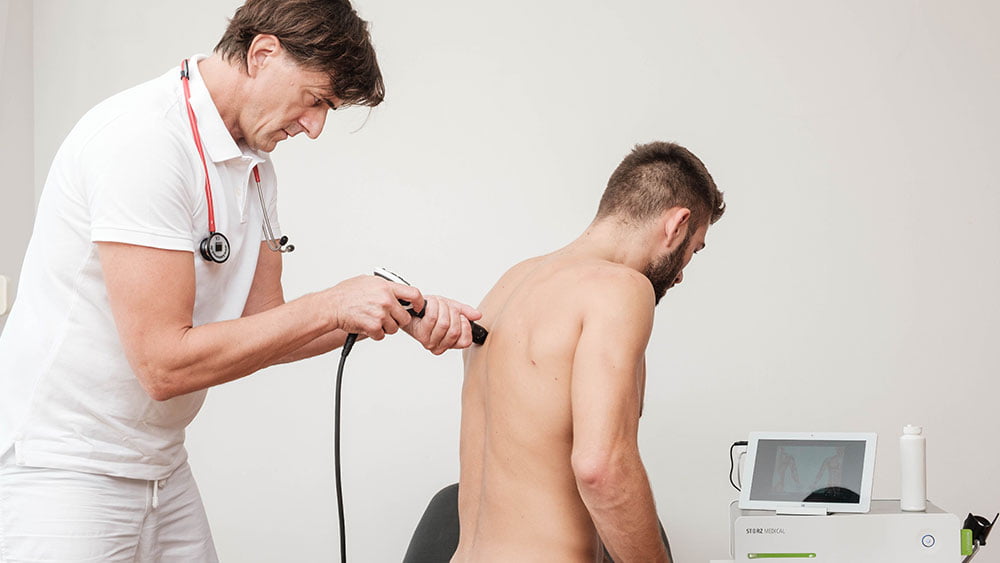
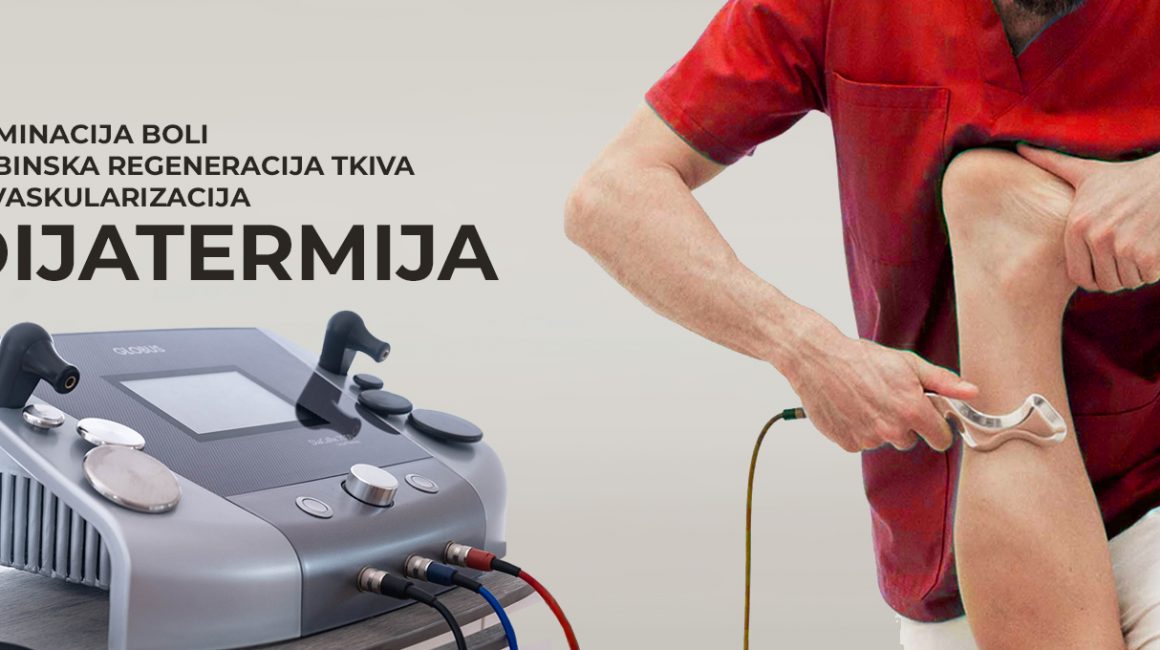
The therapy plan usually combines medical exercises and manual techniques with physiotherapy modalities such as electrotherapy, magnetotherapy, therapeutic ultrasound, laser therapy and shockwave therapy.
When physiotherapy can help you
Physiotherapy helps with pain and reduced mobility. Patients come to us for:
The physiatrist examines you in detail, takes your history, establishes your clinical status and studies your test results, scans and other medical records. If needed, they do additional tests straight away – ultrasound, for example – or order imaging and laboratory tests. If necessary, they can give you a medicine or a pain block at the examination itself.
2
Plan
Once the diagnosis is made, the doctor prescribes therapies and sets the timeframe for them.
3
Therapies
They are delivered by physiotherapists and, when needed, kinesiologists. Some therapies can also be done by doctors, who at the same time teach you in detail how the therapy should be carried out. One visit lasts 60 minutes, or longer if needed.
4
Follow-up
The doctor follows your progress and adjusts the plan as needed. During treatment, they can always review new results as they come in, such as imaging or laboratory results.
Why does the doctor oversee the whole course of treatment?
Your condition can change during treatment, and complications such as deep vein thrombosis, pulmonary embolism, deconditioning (loss of physical fitness) or infections can occur. That is why an integrated approach matters: the doctor adjusts medicines and exercise therapy according to how you respond to treatment and how your condition changes. The approach is also collaborative – the doctor can always consult other specialists: the cardiologist, haematologist and psychiatrist at the polyclinic and, if needed, doctors from other specialties, such as a medical oncologist or a neurologist.
We are open Monday to Friday from 8 am to 8 pm and on Saturdays from 9 am to 1 pm.
Frequently asked questions
Do I need a referral for physiotherapy?
No. Faktor Zdravlje Polyclinic is a private practice, so you do not need a referral. We work with some insurance companies – when booking, tell us which insurance you have.
Do I need to see a physiatrist before therapy?
Yes. With us, all physiotherapy starts with an examination by a physiatrist, who makes the diagnosis and decides which therapies you need.
What is the difference between a physiatrist, a physiotherapist and a kinesiologist?
A physiatrist is a doctor specialising in physical and rehabilitation medicine: they make the diagnosis, set the treatment plan and lead the whole treatment. A physiotherapist carries out therapies and exercises according to the doctor's plan, and a kinesiologist leads strength and mobility training when needed.
How many sessions will I need?
Most often it is a series of 10 visits. The doctor sets the exact number at the examination and adjusts it during therapy according to your progress.
How long does one visit last?
60 minutes, or longer if needed, depending on the therapies in your plan.
Does physiotherapy hurt?
Most therapies do not hurt. Shockwave therapy can be uncomfortable during the procedure itself, and the intensity and frequency of the pulses are adjusted to you. If needed, the doctor can give you a pain block before therapy.
Can I have therapy after surgery or a fracture?
Yes. The physiatrist sets the recovery plan according to the type of surgery, the surgeon's instructions and other medical reports. The doctor assesses for each patient individually when therapy can start. Please bring your discharge letter.
What should I bring to my first visit?
Any medical documents you have – for example scans, a discharge letter and other doctors' opinions – and comfortable clothes.
What are your opening hours?
Monday to Friday from 8 am to 8 pm and on Saturdays from 9 am to 1 pm.
How much does physiotherapy cost?
Prices for examinations, individual therapies and therapy packages are in the price list.
Where are you located, and is there parking?
At Domobranska ulica 25 in Zagreb. You can park on the street, in the paid parking zone.




 Book an appointment