
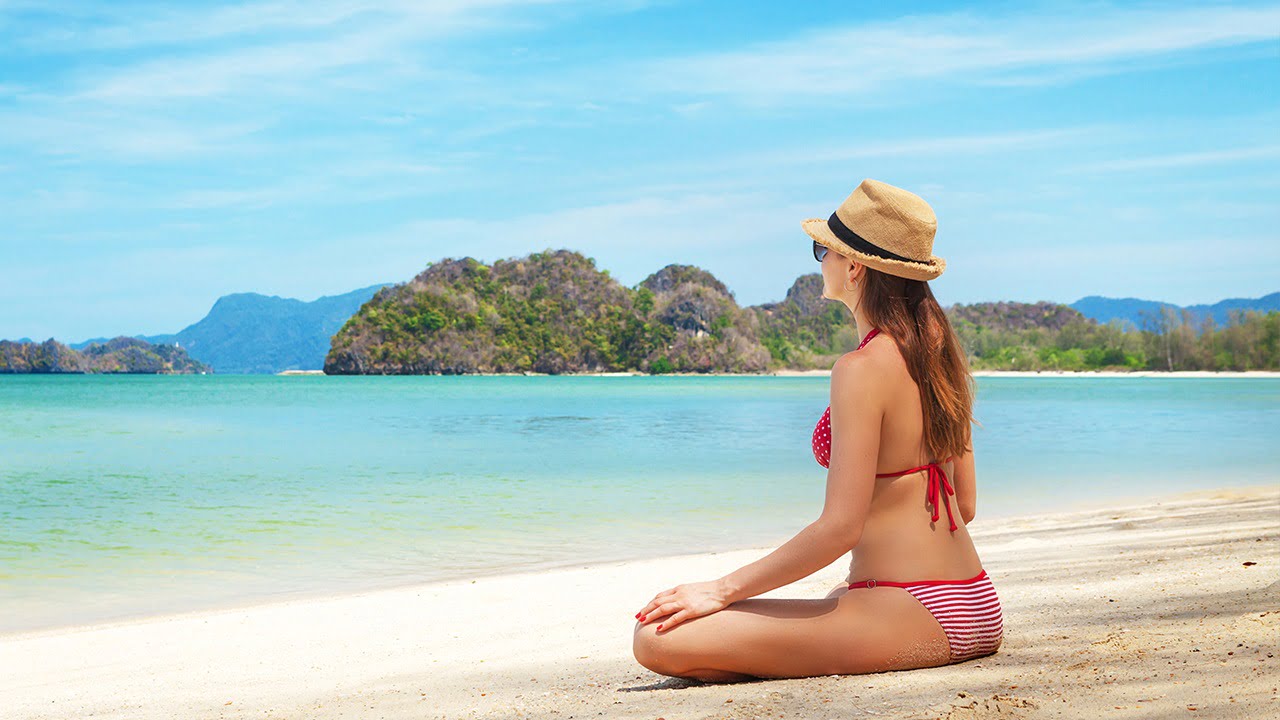
Dr Šime Mijić, a specialist in physical medicine and rehabilitation, rheumatology subspecialist, member of the American College of Rheumatology and owner of the clinic www.faktorzdravlje.com, explained how to teach your body, gradually and week by week, to get into shape and relax properly after winter.
WEEK 1
Balneotherapy
Balneotherapy is treatment and relaxation using natural influences such as the sea, the sun and the climate, and it has been practised since the time of the ancient Greeks and Romans. Seawater is the natural medium for all organisms on Earth, and with the help of seawater our body performs its functions optimally. Indirect inhalation of sea air helps to combat stress and tension. After winter, it is best to start relaxing and regenerating in seawater pools, with gentle massage, stretching exercises and walking outdoors – ideally by the sea, says Dr Mijić.
BENEFITS: the body acclimatises to the new season and adapts more quickly to the change in the daily biological rhythm
TIP: let's go outside and spend as much time as possible in the fresh air by the sea
WEEK 2
Hydrotherapy with swimming
Hydrotherapy relieves various discomforts and improves our general physical condition. Bathing in pools of seawater rich in minerals and living organisms additionally stimulates the lymphatic system, which leads to faster elimination of toxins from the body. Thalassotherapy is a type of hydrotherapy that uses the therapeutic properties of algae and seagrasses, as well as of medicinal mud. Exposure to sea air and immersion in warm sea baths with protein-rich algae, mud and clay help the body restore its natural chemical balance. ‘Seawater, human plasma and amniotic fluid are very similar, which is why seawater has a very positive effect on metabolism,’ says Dr Mijić.
BENEFITS: we speed up our circulation, and the salt water in whirlpool baths and its evaporation have a beneficial effect on the respiratory system
TIP: swimming in seawater stimulates the appetite, so be careful and eat in moderation
WEEK 3
Brisk walking by the sea
When we walk briskly, our heart pumps blood forcefully into the muscles, delivering the oxygen needed to burn calories – and walking puts less strain on the joints than running. Research published by Harvard Health Publications has shown that the best results in weight loss and in preventing diabetes, cardiovascular disease, high blood pressure and viral diseases are achieved by walking every day for at least 45 to 60 minutes. Research shows that the greatest benefits of exercise and physical activity come once we spend more than 2,000 calories a week on such activities, with one hour of brisk walking burning 300 calories. ‘Walking speed must be more than 6 kilometres per hour,’ says Dr Mijić.
BENEFITS: Cardiovascular and respiratory capacity increases
TIP: Rest more
WEEK 4
Sea bathing begins
As you breathe in the fragrant sea air, know that it is full of negatively charged ions and trace minerals, which are powerful antioxidants. Seawater and sea air have a beneficial effect on our health, because minerals such as magnesium, manganese and cobalt from seawater penetrate the body and strengthen our natural immunity. A walk by the sea is good for the lungs, because it lets you breathe in microdroplets of seawater.
These then travel to the deepest parts of the pulmonary alveoli, making it easier for us to absorb oxygen. Seawater has exactly the same pH as healthy human blood, and it contains minerals and elements in the exact proportions the human body needs.
BENEFITS: Salt water causes desquamation of the epithelium – the skin peels, and this is a natural peel, the best in the world. Salt water is also excellent for the skin and nails.
TIP: Do not leave the salt on your skin for too long – rinse off under a freshwater shower


